
Why Your Bathroom Smells Like Sewage (Even When It Looks Clean)
The water trap: a tiny water seal with a huge job
24/7
Emergency Callouts
10+
years Experience
250+
Recommended
5/5
Rated On Google
Why Your Bathroom Smells Like Sewage (Even When It Looks Clean)
If you’ve ever walked into a perfectly tidy bathroom and been hit by that unmistakable “sewer” smell, you’ll know how unpleasant (and baffling) it is. The good news: in most homes the cause is simple, harmless, and easy to fix. In fact, one of the most common reasons we’re called out across Mid Sussex—from Haywards Heath and Burgess Hill to surrounding villages—isn’t a broken pipe at all. It’s a dried-out trap in a little-used bath, shower, basin, or floor drain.
This guide explains what’s going on, how to stop it, and how to prevent it coming back—using plain English and real-world experience from the jobs we handle every week.


What’s Actually Causing the Sewage Smell?
The water trap: a tiny water seal that does a huge job
Every plumbed appliance (basins, baths, showers, WCs, appliances) should have a trap—the curved or cup-shaped section of pipe that always retains a small amount of water. That water works as a seal to block sewer gases from drifting up the pipe and into your room.
When the trap is full, the gas stays where it belongs.
When the trap dries out, the gas has a clear path—and that’s what your nose is picking up.
Why traps dry out (even in healthy systems)
- Evaporation: In rarely used bathrooms (guest en-suites, family bathrooms when everyone uses the shower elsewhere), the water in the trap simply evaporates over time.
- Capillary action or siphonage: Fast-flowing water from a nearby fixture can sometimes pull water out of a trap with poor ventilation (less common in modern homes, but it happens).
- Air movement: Constant airflow across an open shower waste (think extractor fans, draughts) can encourage faster evaporation.
- Faulty or missing trap components: On some modern shower trays, the trap cup (that little removable insert) is the actual water seal. If it’s not seated correctly—or missing—you won’t keep a seal at all.
Other culprits to rule out
- Hair and biofilm: Hair + skin oils + soap scum can form a mat in shower traps that slows drainage and creates odours of its own.
- Dried or loose WC pan connector seals: Less common, but a poor seal behind the loo can let odour escape.
- Blocked or undersized ventilation (soil/vent stack): This can cause gurgling or siphon traps, especially on older systems.
- Cracked or displaced pipework: Typically shows as recurring smells plus slow drains, damp, or visible defects on CCTV.
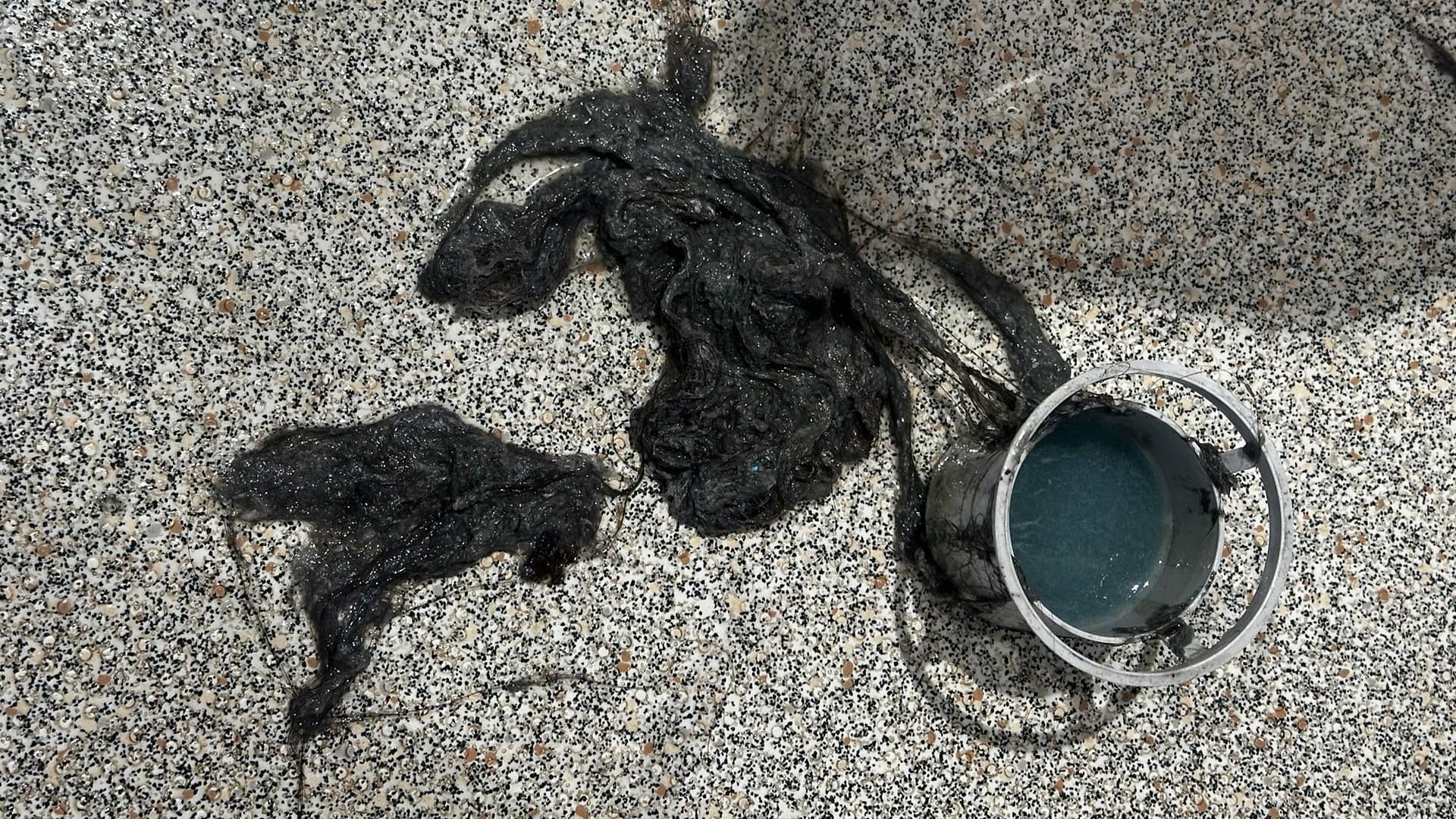
A Real Job This Week: Balcombe, Mid Sussex (Modern Home, Classic Problem)
Recent Call-Out (Case Study)
Location: Balcombe, Mid Sussex
Home type: Modern house with multiple en-suites and a family bathroom
Complaint: Slow shower and intermittent bathroom odours
We were called because the shower was draining slowly and there were occasional smells in the family bathroom, a room the household barely uses because everyone showers in their en-suites.
What we did (2 minutes to fix the flow):
- Popped the shower trap and trap cup
- Removed a large tangle of hair caught in the cup.
- Cleaned the parts, refitted them properly, and tested (flow restored).
What we explained about smells:
- The family bathroom’s bath trap had likely dried out due to lack of use.
- We shone a torch to show there was no standing water in the trap seal.
- We ran the bath and taps to replenish the traps and explained a simple weekly top-up habit to keep odours out.
Outcome: Shower flows correctly; smells gone. Homeowner now knows how to keep unused traps topped up with water and what to look for next time.
Even in modern homes, unused fixtures can cause smells. It isn’t “bad plumbing”—it’s just an empty water seal.
We're Here to Help!
Why Unused Bathrooms Need More Maintenance (Not Less)
It sounds counter-intuitive, but the rooms you barely use often need more regular attention. Here’s why:
- Evaporation never stops. In a warm, ventilated home, traps can dry within weeks if left untouched.
- Multiple en-suites = one forgotten bathroom. We see this in Haywards Heath new-builds and extended homes in Burgess Hill all the time: the secondary family bathroom becomes a “storage room with a toilet” and then… hello odours.
- Shower traps are small. Compact designs in modern trays hold less water, so they lose their seal faster than a big bath trap.
Simple rule: If a room has pipework, it needs periodic water through it—even if no one uses it daily.
Quick Checks & Fixes You Can Do Today
1) Top up every trap in the room
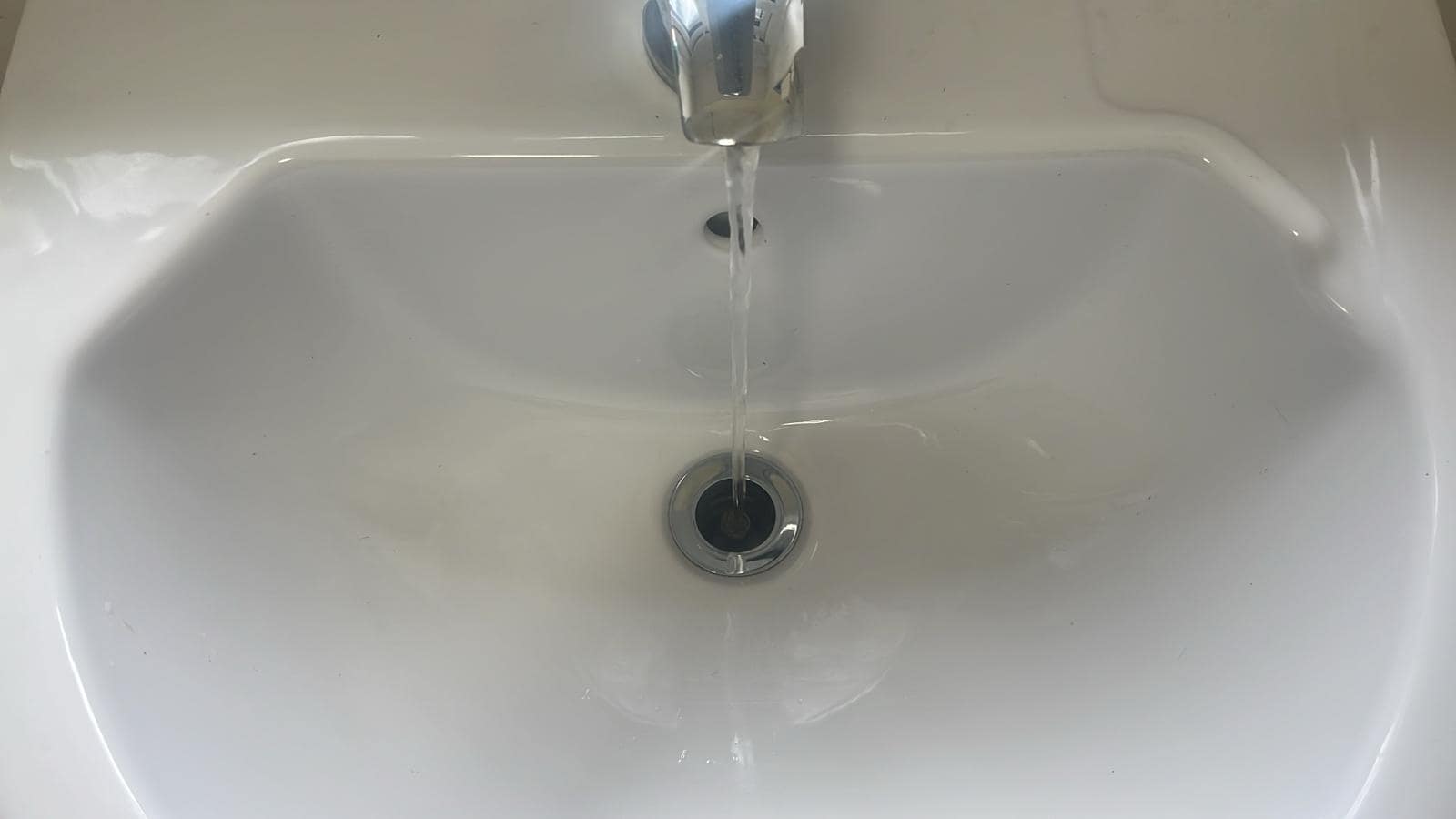
- Basin: Run the tap for 10–15 seconds.
- Bath: Fill the waste with a litre or two, then let it drain.
- Shower: Pour a jug of water straight down the waste; make sure the trap cup is seated correctly.
- WC: Flush once (the WC usually holds its water seal best).
Tip: For very rarely used traps, after topping up with water, add a tablespoon of mineral oil (baby oil works) to reduce evaporation from the surface. Don’t overdo it—just a little makes a difference.
2) Clean the shower trap assembly
If drainage is slow or the smell seems “organic” rather than “gassy,” lift the shower trap insert:
- Remove hair mats and rinse the cup.
- Wipe the seating lip so the cup seals properly when replaced.
- Refit firmly. If the cup is damaged or won’t seat, ask us about a replacement insert.
3) Listen for gurgling
Gurgling after another fixture is used can mean venting or partial blockage problems that can siphon your traps. This is a good moment to call us for a CCTV inspection or smoke test to check the system is breathing as it should.
4) Sniff test at each fixture
If the smell seems concentrated at one appliance (e.g., the bath), it’s usually that trap. If the odour is room-wide or changes with the wind, it could be a vent/stack or external gully issue.
Need a hand? If you’re in Burgess Hill, Haywards Heath, or anywhere in Mid Sussex, we can quickly check traps, clear hair clogs, and confirm the health of your system. A quick visit now can spare you weeks of nuisance.
When It’s More Than a Dry Trap
Call a professional if you notice any of the following:
- Smell returns quickly even after topping up traps and cleaning trap cups
- Gurgling, slow drains, and repeated backups—especially after heavy rain
- Rodent activity or clear airflow from a waste (indicates a missing/failed seal)
- External smells from gullies or manholes, suggesting a collapsed pipe, root intrusion, or a faulty interceptor
- Renovation surprises: Older homes around Mid Sussex sometimes hide interceptors (Windsor traps) or odd conversions that make ventilation poor; modern fixes may require lining, patch repairs, or replacing legacy sections
We’ll usually start with a CCTV survey to pinpoint the cause, then recommend the simplest, most cost-effective fix—often without digging.
A Homeowner’s Maintenance Routine That Actually Works
- Weekly (or fortnightly) “trap top-up” in any room that’s not used daily:
- Run basins and showers for 10–15 seconds.
- Flush the loo once.
- Fill and drain the bath briefly.
- Monthly shower trap clean if anyone in the house has long hair.
- Run appliances (like an unused utility sink or floor drain) every few weeks.
- After a holiday: Top up traps as soon as you’re back.
- Notice odours? Do the top-up first. If it persists, clean trap cups. If it still lingers, give us a ring.
Friendly nudge: In Haywards Heath especially (lots of homes with multiple bathrooms), we see dried traps constantly. A two-minute top-up prevents most callouts.
Need a Hand with Your Drains?
Whether you’ve got a slow gurgle, a strange smell, or just want peace of mind – we’re here to help. At Black Swan Drainage, we keep things simple, honest and fairly priced. No nonsense, no surprises.
Give us a bell today or pop us a message – we’ll sort it, no stress.
Get in TouchFAQs (Plain-English Answers We Give Customers)
Why does my bathroom smell like sewage when it’s spotless?
Because odour comes from the pipe, not the tiles. A dried trap lets harmless but smelly gas in. Top it up with water and the smell usually goes immediately.
How long before a trap dries out?
It varies by room temperature, airflow, and trap size. In our experience across Mid Sussex, a shower trap in a warm, ventilated bathroom can dry in a few weeks of non-use.
What’s the easiest fix?
Run each fixture for 10–15 seconds to refill the traps. For very rarely used fixtures, add a tablespoon of mineral oil to slow evaporation.
My shower is slow and smells—linked?
Very likely. Hair mats in the trap reduce flow and can smell. Remove the trap cup, clean it, refit, and test. If it’s still sluggish, we can jet and inspect.
Could it be a serious fault?
Sometimes. If odours return quickly after topping traps, or you’re getting gurgling, reflux, or external smells, a CCTV survey will tell us exactly what’s going on.
Our Services
How Can We Help You?

Blocked Drains
Unblocking drains for commercial and domestic customers, 24 hours a day, 365 days a year! Call now to book in.

CCTV Drain Surveys
CCTV surveys to detect drain problems or build over & pre-purchase surveys for home buyers around Cuckfield.

Septic Tanks
Liquid waste removal or cesspit and septic tank emptying for domestic and commercial premises.

Gutter Cleaning
Our team specialises in maintaining gutter flow and preventing future blockages.

Root Cutting & Removal
For root blockages, our root cutting and removal services are essential for effective resolution.

Toilet & Sink Repairs
Our team excels in repairing and servicing toilets and sinks, restoring them to their original condition.
Book Online
Get A Free Consultation & Estimate For Your Plumbing Needs
For 24/7 Emergencies Call
Complete the simple form below to receive your free consultation and estimate.