Frequently Asked Questions
We understand that you may have some questions, and we're here to help. Our team of experts are dedicated to providing quality drainage services for your needs. Feel free to explore our Frequently Asked Questions page for more information about our services, pricing, and availability. If you can't find the answer to your question here, don't hesitate to reach out to our friendly customer support team, who will be more than happy to assist you.
CONTACT US 24/7 07754994481
Blocked drains
Blocked drains can be caused by a variety of things. Some of the most common causes include:
Tree roots penetrating the pipes if there is a crack in the pipe or if the root system is strong enough to break through the pipe.
Residue build-up from either food or substance particles over time in your kitchen sink drain.
Hair.
Fats.
Coffee grounds.
Nappies and baby wipes.
Children’s toys.
Cotton wool.
Signs your drains are blocked.
Here are some tips to avoid blockages in your home:
- Be mindful of what you put down the kitchen sink drain. Certain items should never be put down the sink, such as cooking oil, grease, coffee grounds, and food scraps. Instead, dispose of these items in the trash or compost bin.
- Use a drain guard outdoors to prevent leaves blocking the drain.
- Use a sink guard over all plug holes in your kitchen and bathroom.
- Regularly clean drains with simple methods such as boiling water.
- Never flush any items other than toilet paper and human waste down a toilet.
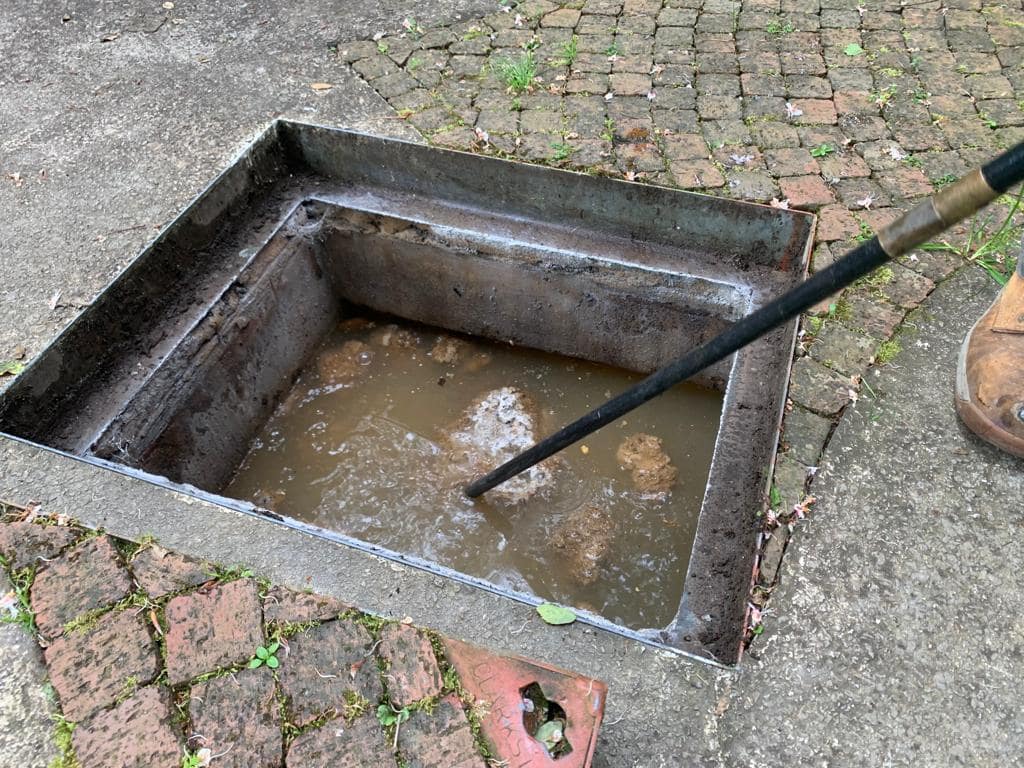
Blocked Toilet
Here are some ways to unblock a toilet:
- Use a plunger. This is the most common way to unblock a toilet. You can use a plunger by placing it over the hole in the toilet bowl and pushing down and up repeatedly until the blockage is cleared.
- Unblock your toilet with washing up liquid. Pour around half a mug-full into the toilet, dripping it around the bowl so that it forms a ring around the waterline and then criss-crossing the water itself. Leave for half an hour to dissolve the clog somewhat.
- Unblock your toilet with baking soda. Mix baking soda with white vinegar and water to start a chemical reaction and create a powerful, natural cleaning agent. A baking soda-vinegar mix can clean and descale pipes as well as remove soap residue.
- Unblock your toilet with hot water. Start by boiling the kettle. Wait a few minutes after the kettle has boiled, pour the hot water into the bowl and leave it to sit for three minutes. Then, flush.

What are the signs my toilet needs repair?
There are several signs that your toilet needs repair. Some of the most common signs include:
- The toilet is constantly running.
- The toilet is making strange noises.
- The toilet is slow to fill up after flushing.
- The toilet is leaking water.
- The toilet bowl is not filling up with enough water.
- The toilet is blocking frequently.
- The toilet is difficult to flush or will not flush.
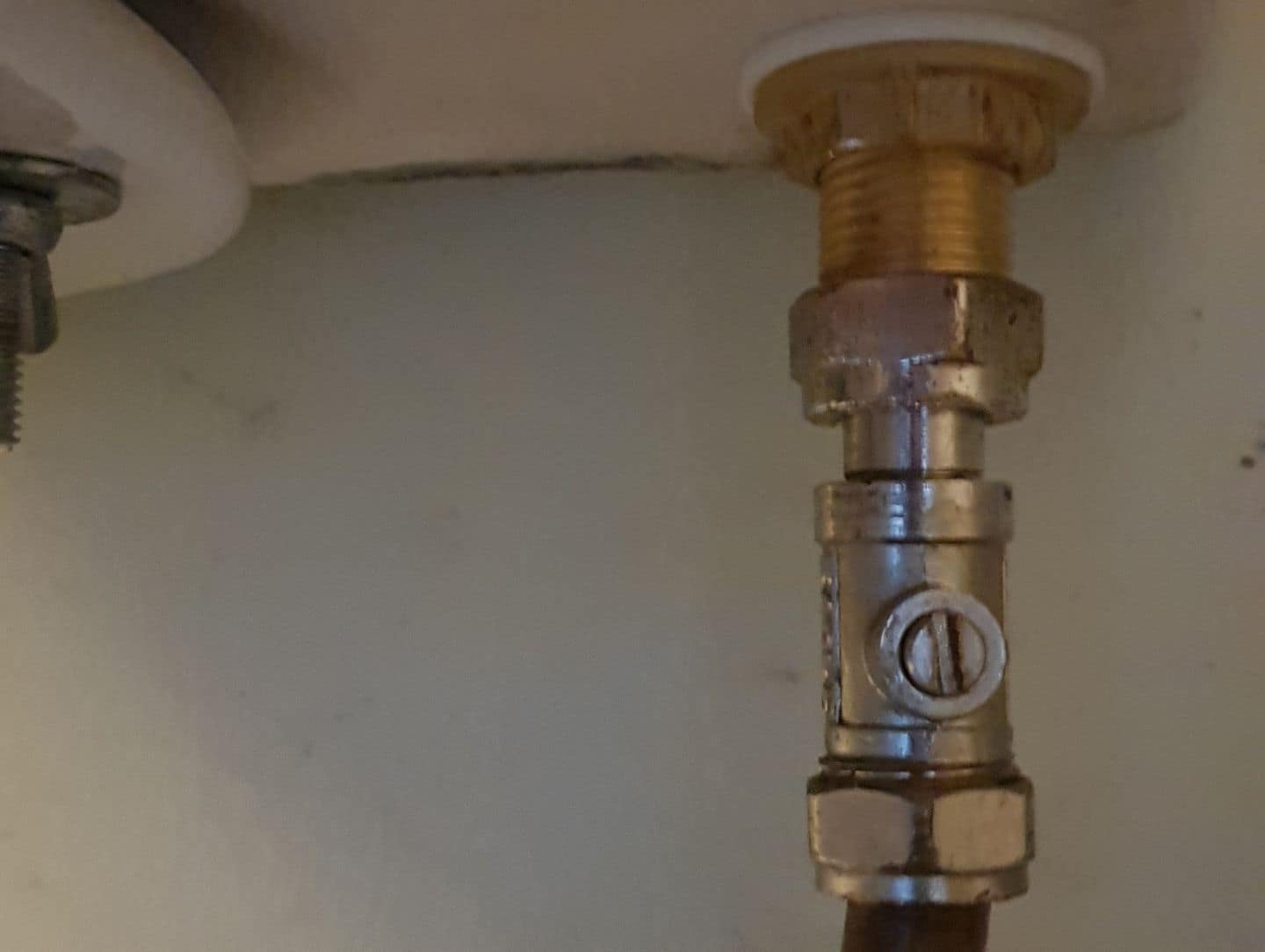
Blocked Sink
Here are some ways to unblock a sink:
- Unblock your sink with baking soda and vinegar. Pour a cup of baking soda, followed by white vinegar. Use a rubber stopper as soon as you pour vinegar. In no time, the mixture will start fizzing and push the clog down.
- Unblock your sink with bicarbonate of soda. Using bicarbonate of soda is a simple and cheap trick that you can use to unblock your sink. Pour 1 cup of bicarbonate of soda down the drain followed by 1 cup of hot water. Leave for 5 minutes then flush with hot water.
- Unblock your sink with soda crystals or washing powder. Soda crystals are a multi-purpose cleaner that can work wonders on a blocked sink. Dissolve 1 cup of soda crystals in hot water and pour it down the drain. Leave for 30 minutes then flush with hot water.
- Unblock your sink with a plunger. Create an effective seal by blocking the overflow using a dishcloth or old towel. Use a plunger by placing it over the hole in the sink and pushing down and up repeatedly until the blockage is cleared.
- Unblock your sink with a blaster cup. A blaster cup is similar to a plunger but has an extra piece that creates more suction. Place it over the hole in the sink and push down and up repeatedly until the blockage is cleared.
What are the signs my sink needs repair?
Here are some signs that your sink or taps might need repair:
- Physical damage to the sink.
- Corroded taps.
- Taps that drip or leak
- Reduced water volume.
- Sinks that drain whilst pluged and do not hold water
- Mould growth.
If your toilet or sink needs repair or replacement, you can count on black swan drainage.
Blocked Sink Drain or Gully
Here are some ways to unblock a sink drain:
- Use baking soda and vinegar. Pour one cup of fresh baking soda down the drain, followed by one cup of white vinegar. Place a rubber stopper or other sink hole cover over the drain opening. Wait 15 minutes to allow the vinegar and baking soda to unclog your drain, then take out the drain cover and run hot tap water down the drain to clear the clog.
- Use a plunger. Fill the sink with enough water to cover the plunger’s rubber cup. Move the plunger up and down quickly to create suction that will dislodge the clog.
- Use soda crystals or washing powder. Pour some boiling water down the drain first. Then put 1 mug of soda crystals in the plughole followed by 1 mug of hot water and wait 5 minutes. Pour in another kettleful of boiling water to thoroughly flush and clean the drain.
- Use a drain snake. Gently push it through the drain or pipe until you feel the obstruction, then push it a little further into the blockage.
- Unblock using a wet-dry vacuum.
Why is my sink drain or Gully blocked?
Here are some common causes of a blocked sink drain or Gully:
- Grease build-up. Grease is common in the kitchen sink. When grease is washed down the sink or the drain, it cools and hardens causing a blockage.
- Plants and dirt. Plants and dirt that grow underneath your drain as they search for water can block your drains1.
- Build-up of hair. Hair can block your drains.
- Toiletries. When you dispose toiletries on your drain, you are generating serious issues down the drain and sewers.
- Broken pipes.
- Poor water flow.
To find out how a Drain Survey or inspection can help to diagnose some of the listed drain conditions (Click Here)
How will i know if my gutters need cleaning?
Here are some signs that your gutters need cleaning:
- Overflowing gutters. One of the most obvious signs that your gutters need cleaning is when you see water overflowing from them during rain.
- Sagging gutters. If you notice that your gutters are sagging or pulling away from your home, it could be a sign that they are clogged with debris, causing them to become too heavy.
- Water damage. If you notice water damage on the exterior of your home or in your basement, it could be a sign that your gutters are not functioning properly.
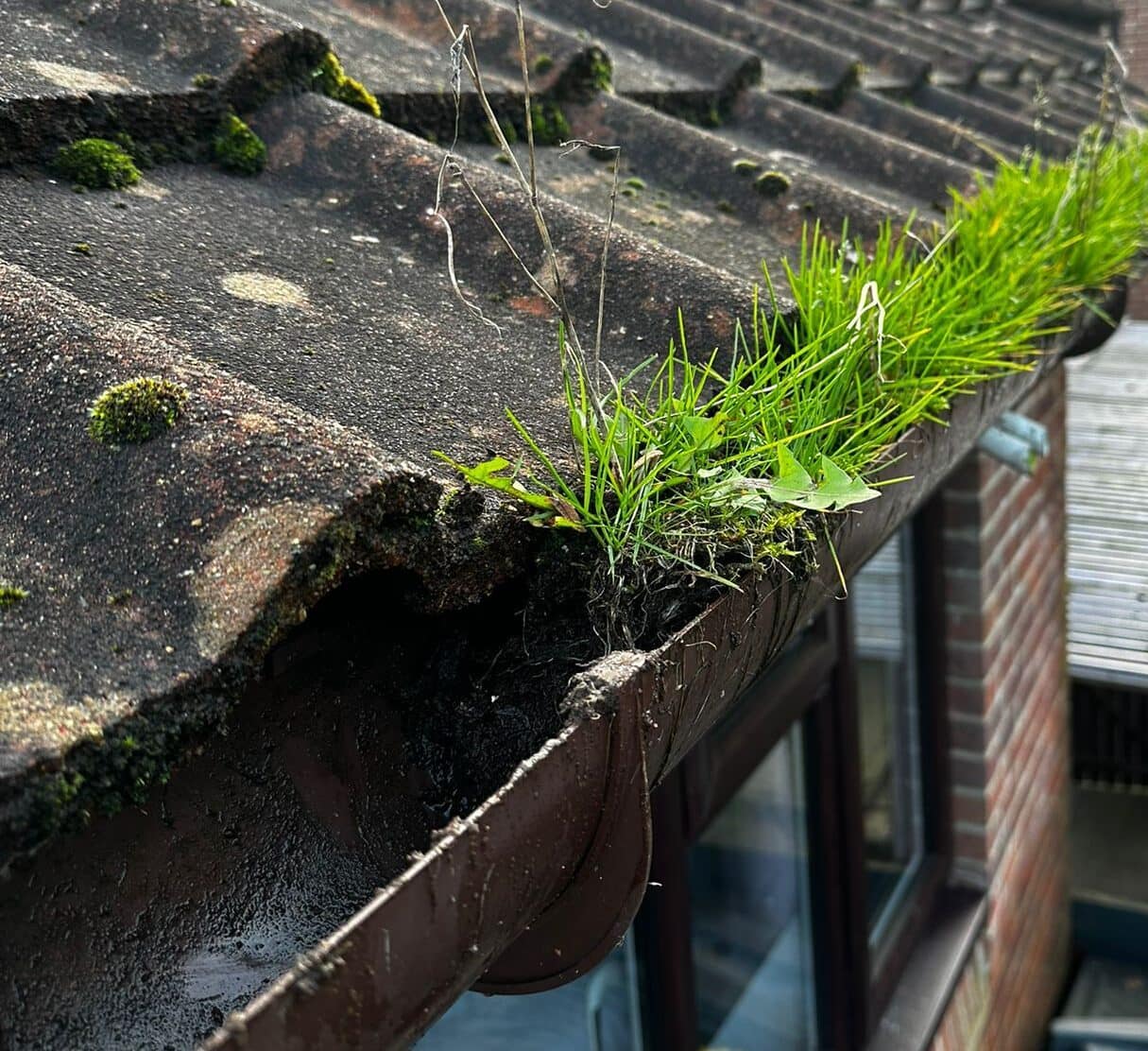
- Plants growing in gutters. If you see plants growing in your gutters, it’s a sign that they are clogged and need cleaning.
- Pests. If you notice pests like birds or rodents around your gutters, it could be a sign that they are clogged with debris and need cleaning.
There are several ways to clean gutters. Here are some of the most common methods:
- Wet/dry vacuum. a common way to clean gutters safely from the ground is by using a shop-type wet/dry vacuum, plus a couple of handy attachments.
- Ladder. To clean gutters manually, you’ll need a ladder, bucket, gutter scoop (or garden trowel), and heavy-duty work gloves. Remove leaves and debris by hand, depositing what you remove into the bucket. When you’re done, flush the gutters and downpipe with water until they both are clear and functioning correctly.
- Professional cleaning service. If you don’t want to clean your gutters yourself, Black swan drainage will be happy to provide the service, we will also repair damaged or leaky joints as standard.
Why are there roots in my drain?
Roots in your drain can be caused by several factors. Here are some of the most common reasons:
- Trees and shrubs. If you have trees or shrubs growing near your drain or sewer line, their roots can grow into the pipes and cause blockages.
- Cracks in pipes. Over time, pipes can develop cracks or other damage that allows roots to grow into them.
- Old pipes. Older pipes made of clay or other porous materials are more susceptible to root intrusion.
- Moisture. Roots are attracted to moisture, so if there is a leak in your sewer line, it can attract roots and cause them to grow into the pipes.
What is the best way to remove roots from my drain or sewer?
- There are several ways to remove roots from a drain. Here are some of the most common methods:
- Rock Salt. You can dissolve 200g of rock salt into 1 liter of hot water and pour this solution down your drain.
- Cut the Roots. Cutting the roots mechanically is most popular for getting rid of the roots in drain pipes. A sewer auger with a spiral head which rotates is sent down the line. The head of the auger has teeth like a saw blade. The roots are cut with the rotating auger.
- Use a Hydro-Jet. High pressure flushers or root saws can help you clear roots from a blocked drain.
- Remove the Trees. If all else fails, you may need to remove the trees that are causing the problem.
Although you can implement some of these methods yourself, it is strongly recommended that you acquire a professional to do the job for you. They have the experience and tools necessary to get the job done right.
CCTV Survey
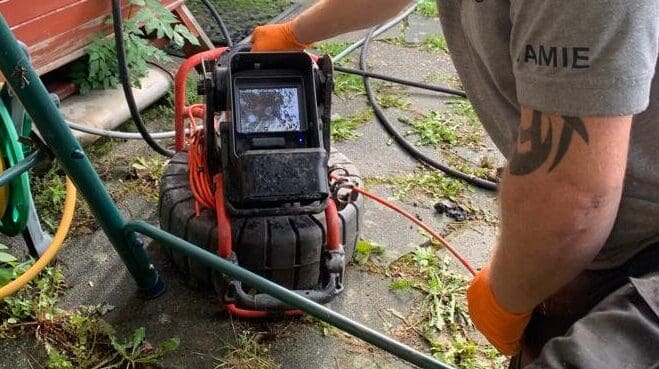
A CCTV drain survey is a full, in-depth inspection of a drainage system. Special CCTV cameras are inserted into the drains and provide a live feed, enabling the engineers carrying out the survey to see the state of the drains and identify any issues. Drain surveys are important to carry out if you suspect drain blockages or damage to the pipework.
A CCTV drain survey can save you time and money by avoiding costly repairs and identifying potential problems early.
A home buyers drain survey is a check you can do on a property before buying. It’s an in-depth look at the drains – the underground pipes that take water and sewage away from the home. it can help flag potential issues with pipework, drainage, infestations, or your property’s structure.
Benefits of a drain survey may also include:
- Renegotiating the house price.
- Help avoid nasty surprises in the future.
- Get clarity on what you own and what’s your responsibility.
- Get insured.
- Know what you’re buying.
CCTV Inspection
A CCTV inspection usually involves the diagnosis of a particular drainage problem that has an obvious diagnosis. Common blockages and probable leaks are typically pinpointed with the CCTV camera to confirm the problem and aid in the unblocking or cleaning process. An inspection is almost always carried out when working on drains or sewers. This is to ensure the process is completed completely and satisfactorily.
Exterior cleaning and sanitation - Jetwashing
What are the benefits of Jetwashing my patio or driveway?
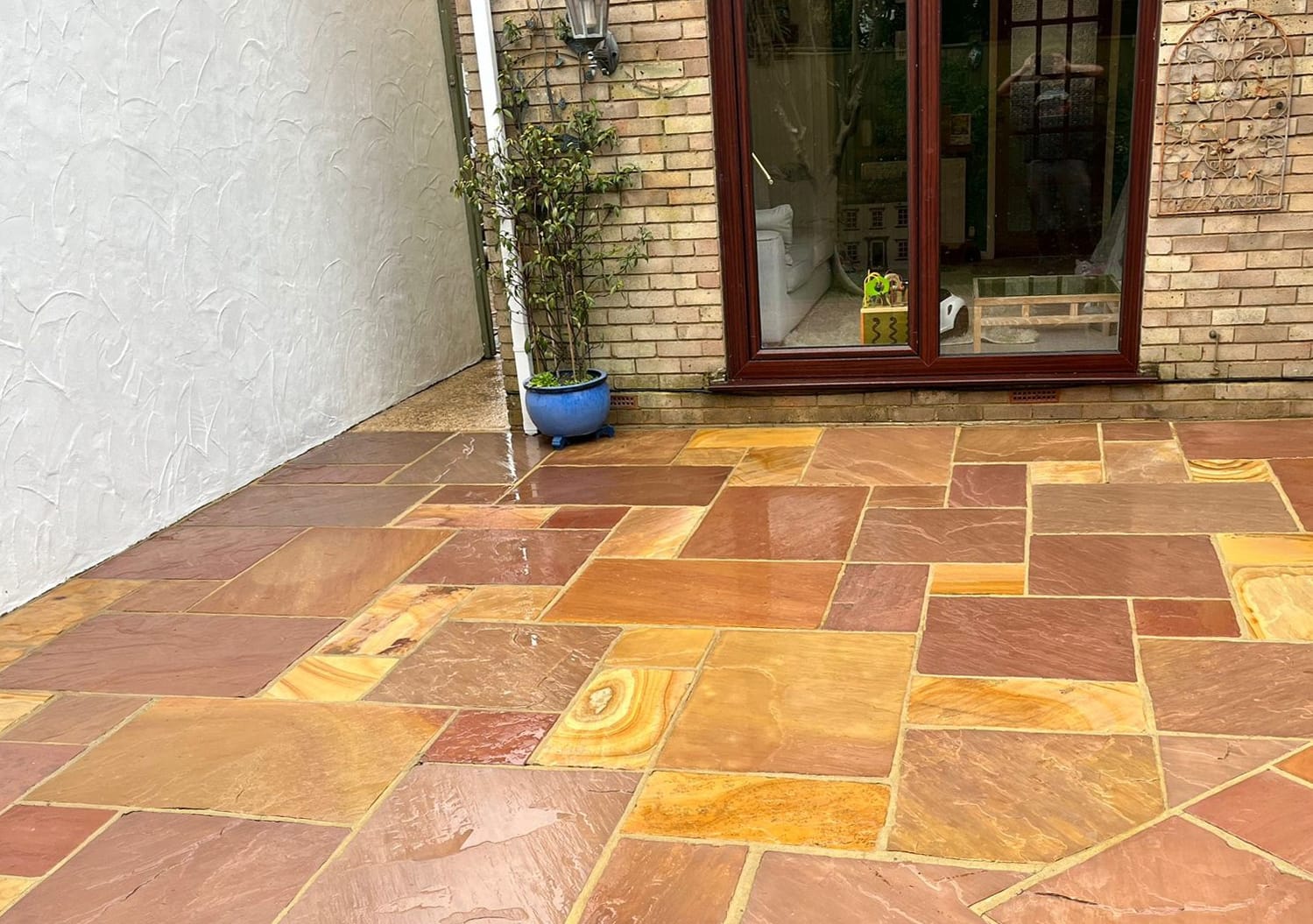
Here are some benefits of pressure washing your patio or driveway:
- It pulls stains and grime out to improve the appearance of your property.
- It protects the integrity of your driveway.
- It prevents potential accidents and injuries.
- It extends the life of your paving materials by removing the buildup on your concrete.
- It gets rid of mold, mildew, and moss
What are the disadvantages of pressure washing?
Here are some disadvantages of jet washing your patio or driveway:
- Surface erosion and etching, particularly of natural stone. This makes paving prone to further damage, as well as increases the speed at which it accumulates dirt.
- Loss of jointing material between the slabs or tiles.
- Chipping and cracking.
- Fading and discoloration.
- Removal of sealant protection, which can happen if the surface of the stone is damaged, leaving it more vulnerable to staining.
After jet washing or pressure washing your patio or driveway, you can apply a sealer to protect surfaces against stains and keep them looking their best. However, this step is optional.
Exterior cleaning and sanitation - Softwashing
What are the benefits of Softwashing a patio or driveway?
Soft washing is a cleaning process that safely removes organic stains, mildew, and algae from outdoor surfaces using a low-pressure washing technique and a mixture of biocides or sodium hypochlorite, surfactants, and water. Sodium hypochlorite solution is regarded as one of the best patio cleaners because it will also control weeds and will deter re-colonisation for a period of weeks, even months.
Soft washing is a low-pressure cleaning technique that uses less water and pressure than pressure washing and is more gentle and less damaging to surfaces. It is ideal for cleaning delicate surfaces such as roofs, renders, painted surfaces and already damaged patios and driveways where the jointing may be loose or damaged. soft washing is also ideal for cleaning outdoor furniture, fences, and decks.
Here are some disadvantages to softwashing your driveway or patio
Soft washing is considered safe for trees, shrubs, and grass. The low-pressure technique and the use of biodegradable chemicals make it an eco-friendly cleaning method. However, it is important to avoid spraying the solution directly on plants, flowers and grass as it may cause some temporary damage.
What are the hazards of DIY unblocking of toilets, sinks and drain unblocking?
DIY unblocking of toilets, sinks and drains can be hazardous. Some of the hazards include:
- Chemicals used in unblocking products can be toxic and cause harm to the user’s health and safety.
- Using a plunger after using chemical unblocking products can spray toxic chemicals around, causing a risk to health and safety.
- Flushing unsuitable materials and chemicals down drains can lead to clogged toilets and general drainage woes.
- Solid lumps building up slowly can cause enormous (unseen) damage by blocking pipes and eventually forcing sewage back up drains, plugholes and toilets.
- You can be exposed to pathogens by skin contact, inhalation or unintentional ingestion and may be at risk of becoming ill from waterborne diseases.
Who's responsibility is it to unblock my drain or sewer?
The responsibility of blocked or corrupt drains depends solely on the placing of the sewer or drain. You will firstly need to figure out whether the blockage has occurred within a public sewer or private drain.
Public or Private?
The drains and any private sewers which carry household waste are normally the householder’s (or the landlord’s) responsibility. This applies up to the point they connect with the public sewers. Since 1 October 2011 (following the transfer of private sewers), this is usually at the boundary of the property.
Click Here for more information on responsability and who your should call
Who is my local water authority?
For your local water Authority click here and enter your post code. Here you will get information of fresh water and sewerage.
Prices
Fixed fee Unblocking Service*
No fix no fee**
Toilets, Sinks & Showers £120
Drains from £120 - £560
Gutters are priced according to building size and start from just £80
* Our fixed fee is a range from minimum to maximum you could be charged for the service and is dependent on the severity and length of time it may take to complete the service. Our price is inclusive of any method required to complete the task and includes Roding, jetting and plunging.
However, if we are called to unblock a toilet or sink and it turns out that the drain is at fault, the charge will be for the drain and not the toilet or sink.
All drain operations are followed with a drain inspection. This is included in the price and is necessary to ensure the blockage is clear and to discover what could have caused the blockage in the first place.
** no fix no fee applies if the blockage can’t be shifted and no reason can be found as to why. If we find you have a collapsed drain or root ingress preventing us from completing our task this is not our fault and the charges will stand. We will however offer the appropriate service to solve the issue and get the drains running again.
Get A Free Consultation & Estimate for your drainage issue
Complete the simple form below to receive your free consultation and estimate.
Are you interested in one of the services we offer? or do you have a particular service you would like to ask us about. Give us a call a we would be more than happy to help.
Call Us Anytime: 07754994481